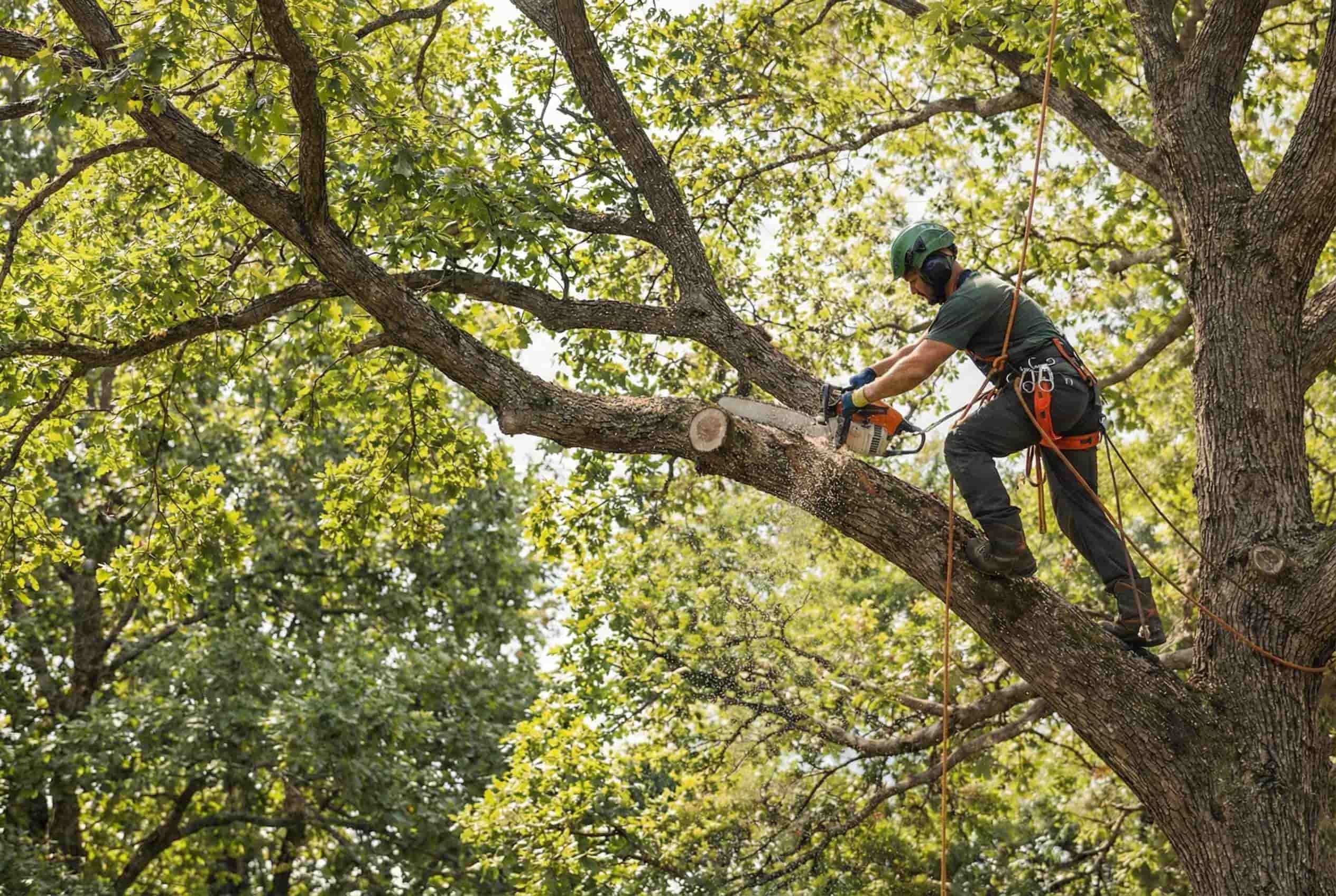
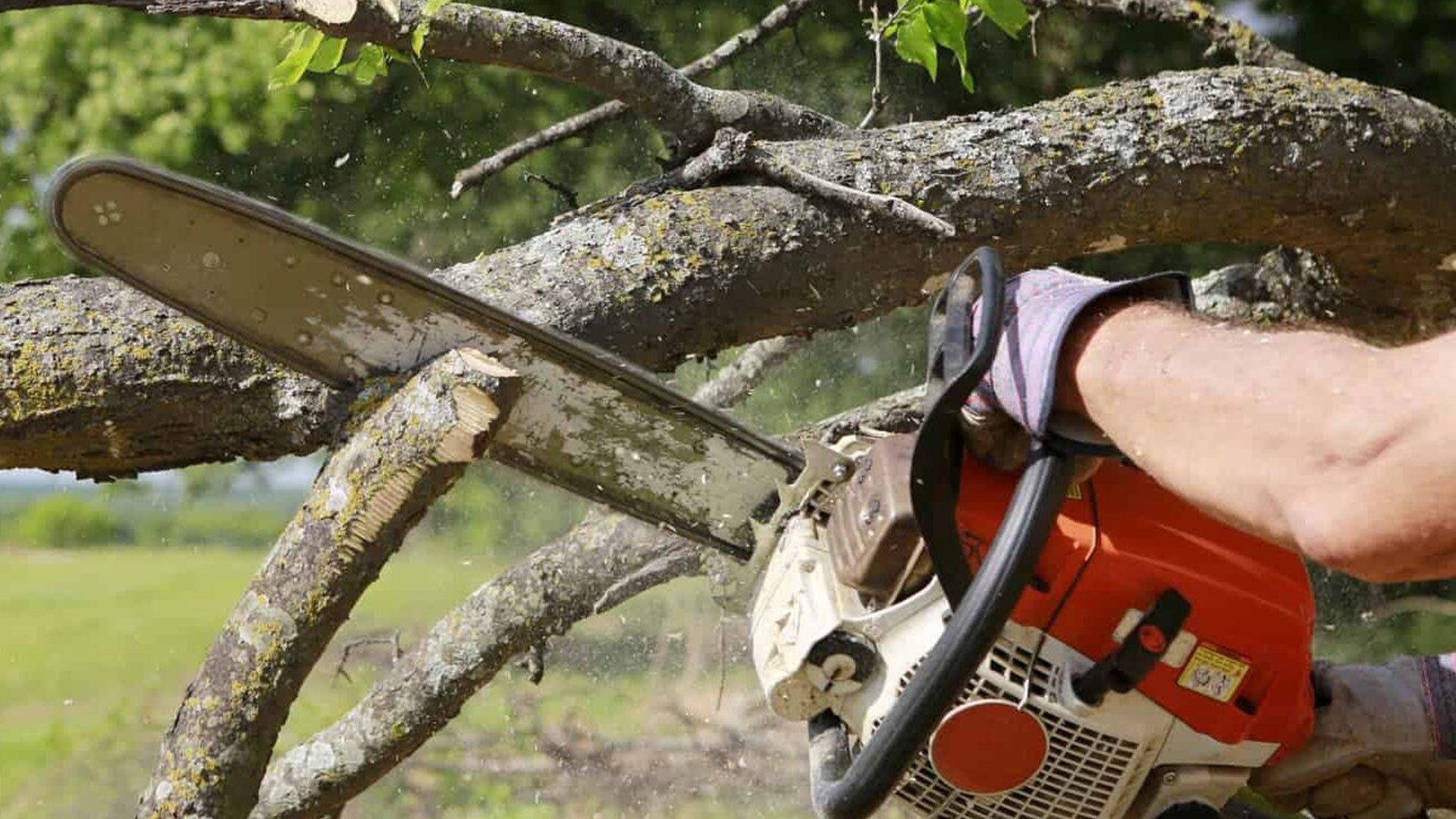
Most trees around Clyde do best with a winter trim, while they’re dormant and the sap has slowed down, with one big exception for oaks. That’s the short answer on the best time to trim trees in Texas. The longer answer depends on what kind of tree you’ve got and how bad the limb is. Rick has been climbing and cutting for twenty years, and the calendar still decides most of what we do.
Why Winter Trimming Works Best
Winter works best because the tree is asleep and the leaves are down, so you can actually see what you’re cutting. You can spot the rubbing limbs, the bad crotches, the deadwood, and the branch growing back into the middle of the tree. In July all of that hides behind green.
A dormant tree also loses less sap when you cut it. The tree isn’t pushing hard, so the wound stays cleaner and drier. Bugs and disease move slow in cold weather, which means fewer things crawling toward a fresh cut. By the time spring hits, the wound has already started sealing, and new growth pushes out from the right places instead of the wrong ones.
There’s a timing bonus out here too. West Texas spring wind season shows up before most folks are ready for it. A long, heavy limb that’s been growing sideways for ten years turns into a sail once that wind starts. Taking weight off it in December or January gives the storm less to grab. We’d rather trim a limb on a still day than pick it off a roof after a gust.
One thing we won’t do in any season is top a tree. Cutting the whole crown back to stubs looks like a fix for about a year. Then the tree throws up weak, fast shoots that break easy and rot at the cut. Good trimming takes limbs back to a proper spot and keeps the shape the tree already has.
The Oak Wilt Window
Oak wilt is the reason we put the saw down from February through June, and it’s the one rule we don’t bend. The disease kills live oaks and red oaks, and Callahan County has plenty of both. A fresh cut on an oak in that stretch draws sap beetles. Those beetles carry spores from a sick tree to your healthy one, and once it gets into a live oak grove it can move root to root through the whole stand.
So we prune oaks in the cold months, mostly December and January, or we wait until midsummer once the beetles have quieted down. If a limb is broken and hanging over the driveway in April, we’ll still take it, because a falling limb is a today problem. In that case we paint the wound the same day we make it.
Folks sometimes ask if a small cut counts. It does. A beetle doesn’t care whether the wound came from a chainsaw, a hand saw, or a mower that skinned the trunk. If you want to read more about how we handle the trees out here, we keep a stack of plain talk tree care articles on the site.
Trimming by Species
Different trees want different timing, so it helps to know what’s standing in your yard. Live oak and post oak follow the oak wilt calendar above, no exceptions. Pecans do best while dormant, before the buds swell, and they need the attention more than people think. A pecan loaded with nuts on a long limb is carrying real weight, and that’s when limbs split at the trunk.
Mesquite is tough and forgiving, and winter is still the easy time to shape it. The thorns are the same year round, but the sap is slow and the tangle is easy to see. Hackberry grows fast and its wood is weak, so it drops limbs in wind more than any tree we handle. Thinning a hackberry in the dormant season keeps some of that weight off the bad unions. Cottonwood is another quick grower with soft wood, and the big ones need eyes on them every few years.
Light touch up work in summer is fine on some trees. A small limb over the porch, a sucker at the base, a branch scraping the shed roof, all of that can happen in June on anything but an oak. What we steer people away from is a heavy summer cut during drought stress. The tree is already fighting heat with less water than it wants, and pulling a third of its shade off in August is a rough thing to ask of it.
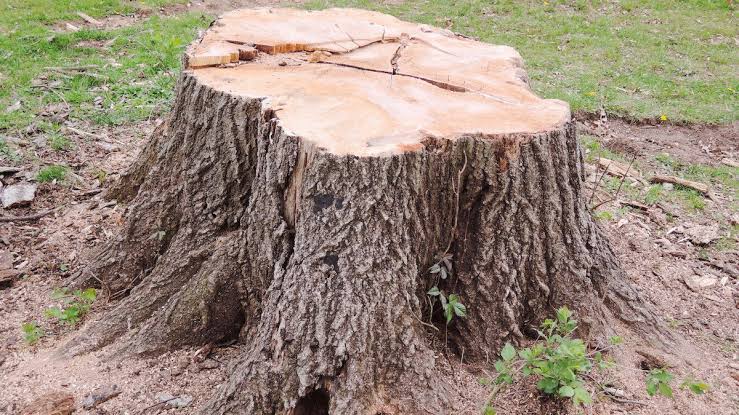
Sometimes a trim visit turns into a different conversation. We get up in a tree and find a hollow trunk, rot through the main leader, or roots that let go on one side. If the tree needs to come out instead of getting cleaned up, that changes the plan, and it helps to know ahead of time what to do with a tree stump once the trunk is down.
When Not to Wait
Dead, broken, and hanging limbs come off any time of year, because safety doesn’t wait on the calendar. A cracked limb over a bedroom or a driveway isn’t a dormant season project. Same goes for anything resting on a roof, leaning on a wire, or blocking a gate you need open.
Storm damage is the other one. After a hard blow we get out and look at what’s left hanging, and that work happens the week it happens. We run a lot of rural acreage other crews skip, so if you’re out on a county road with a long caliche drive and a pasture full of mesquite, that’s normal work for us.
Not sure whether your trees can hold until winter? Have somebody look. Rick will walk the place with you and tell you straight what needs doing now and what can wait for the leaves to drop. Estimates are free and we can usually get out the same day. We’re insured, we’re local, and we stand behind the work with a satisfaction guarantee. Someone answers any hour. Read more about our tree trimming work, then call or text Rick at 325-225-2680.