
Storm Damage Cleanup
Expert Storm Damage Cleanup in Clyde
The wind’s done. We’ll clear the mess in Clyde, TX
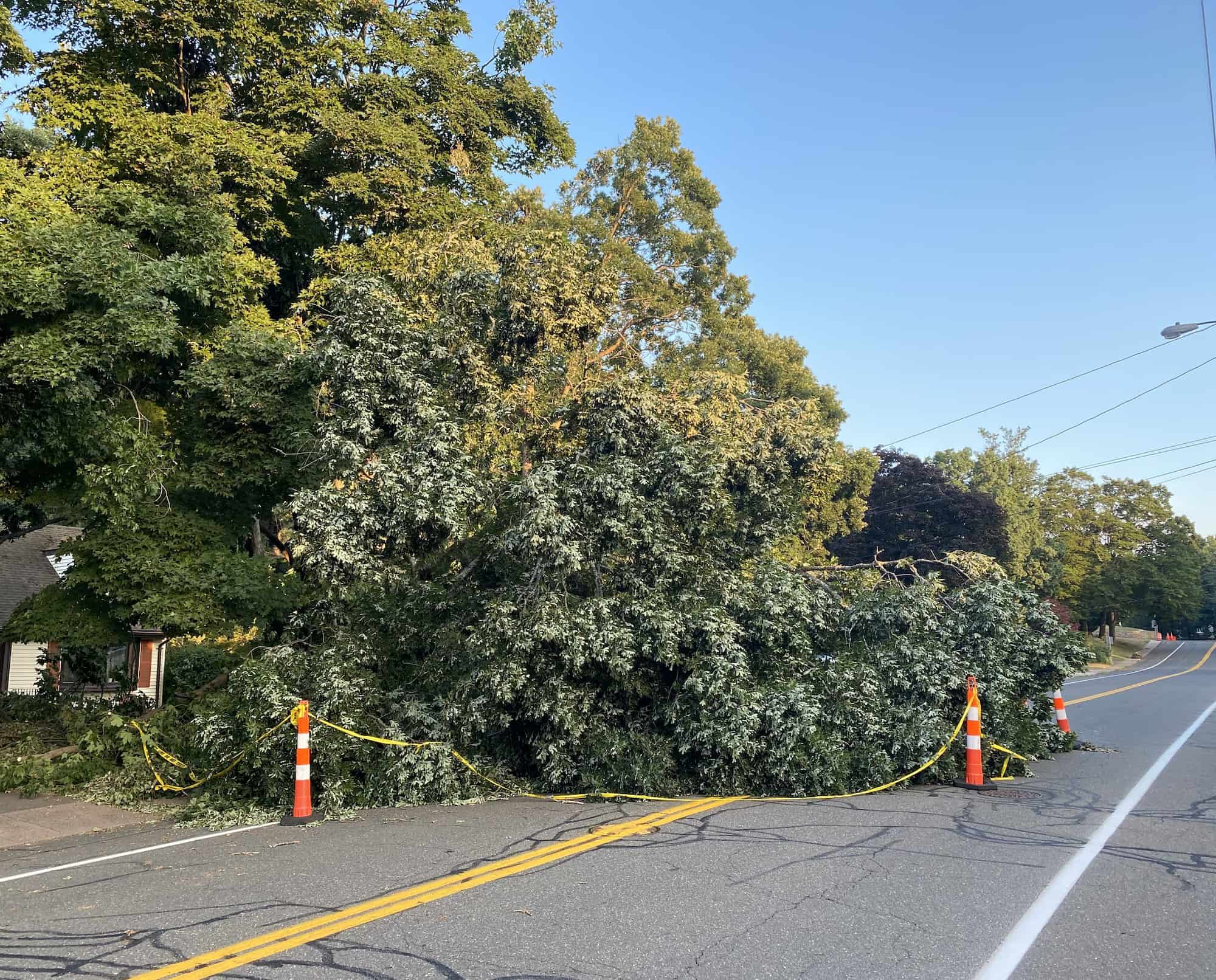
Straight-line wind does most of the tree damage around Clyde. A front rolls in with almost no warning and hits hard enough to snap limbs that stood fine for forty years. Hail rides along with it, stripping bark and leaves off pecans and live oaks. By sunrise there’s a pile across the yard, a limb hung in the fence, and a branch swinging over the drive. None of it looks as bad from the porch as it does once you’re standing under it.
Storm Damage Cleanup in Clyde is the work that comes after. Our crew shows up, walks the property with you, and sorts what’s dangerous from what’s just a mess. Hanging limbs and split trunks come down first. Then the broken wood gets cut, chipped, and hauled off so you can back the truck out and see your yard again. We photograph the damage before a saw runs, because your adjuster is going to ask what it looked like. If a tree is on the house right now, that’s emergency tree service and we’ll move on it tonight.
Rick has 20 years of tree work behind him and has spent the last three here, so the crew knows how these species give way. Live oak tears at the fork. Pecan drops long lateral limbs on the house side. Mesquite splits low and lands in fence wire. Knowing what broke and why speeds the cleanup up and keeps a second limb from coming down on somebody an hour later. It also tells us which trees are worth saving once the yard is clear, instead of taking everything out because it looks rough.
We’re fully insured, the crew lives here, and the phone gets picked up. Call or text 325-225-2680. Estimates are free and same-day.
“When the wind quits, the mess is still there. That part is ours. You go back to your morning and we clear the yard.”
After the Storm Passes Over Clyde
Wait for daylight before you walk the yard, even if you can hear something creaking out there. A downed line looks dead and isn’t, so treat every wire on the ground as live and keep kids and dogs inside until the power company clears it. Then look up before you look down. The limbs that hurt people after a blow are usually the ones still hung in the canopy, held by a strip of bark, waiting on the next gust. If a tree is leaning on the house or lying across the drive, don’t start cutting it loose yourself. Wood under tension moves in directions nobody can read from the ground. Storm damage doesn’t keep business hours either, so call it in when you find it instead of sitting on it until morning.
When we get there, we work the property in order of risk. Anything over a walkway, a roof, or a meter comes down first, rigged and lowered rather than dropped. Next come the trees still standing but hurt, a split fork here, a torn root plate there. Some can be saved with weight reduction and a clean cut. Some are past it, and we’ll say so instead of selling you a removal you don’t need. A hurt tree that gets a straight answer today is cheaper than one that fails again in October. When one has to go, our tree removal crew can usually handle it on the same visit.
Broken Limbs, Debris, and Haul-Off
Most of a storm job is volume. One mature pecan can lay a half acre of brush across a yard, and none of it fits in a trash cart. We bring the chipper, the trucks, and enough crew to move it in one pass instead of stringing the work across a week.
The order matters. Big wood gets cut into rounds and loaded. Brush goes through the chipper. The small stuff gets raked and blown off the drive, the walks, and the beds, because that’s the part you’d notice for months if a crew skipped it. On acreage out along the FM roads we can stack brush for a burn pile instead, where the county allows it and you’d rather keep the material.
You decide what stays. Plenty of folks want the trunk cut to firewood length and left by the shed, or the chips dumped in a pile for mulch. Tell the crew before we start and we’ll set it aside. Everything else leaves with us.
Fences, sheds, and gates take a beating in a hard wind, so we work around what’s already broken instead of adding to it. Mesquite is the worst of it on acreage, since it splits low and drops into wire that has to be cut free by hand. We’re fully insured, which counts for more than usual when heavy limbs are coming off a roof, and our satisfaction guarantee covers the whole cleanup, not just the tree that came down.
Photos and Notes for Your Claim
Insurance moves faster when the damage is documented before anybody cleans it up. We shoot photos of the tree, the point of failure, and whatever it landed on, then write down what we found and what we did about it. That record goes to you, not into a file at our shop.
An adjuster wants to see three things: what failed, how it failed, and what it hit. A photo of a cleared yard proves none of that. So the camera comes out before the saw does, even when you’re standing there wanting the driveway open. It costs us ten minutes and can be the difference between a paid claim and a long argument. A hail claim in particular can hinge on close shots of bruised bark and pitted limbs that nobody thinks to take.
We also keep the debris separate when it matters. If a limb came through a fence, we leave the broken section in place until you’ve got pictures, or we photograph it ourselves and set the pieces aside. Same goes for anything that hit a vehicle or a shed roof. Once you tell us the adjuster has what they need, we clear the rest and haul it off. None of that costs extra, and it’s how we run a storm job whether you end up filing anything or not.
Here’s what you get from us after a storm cleanup:
We aren’t insurance people and we won’t guess at your policy. What we can do is hand you a clear record so nobody has to take your word for how the limb came down. Need the paperwork before we start? Ask through our tree service contractor page and we’ll send it over the same day.
Our Services
Have any Questions?
It’s a quick call, and someone answers any hour. Free same-day estimates.
Did you know?
The clay under Clyde never sits still. It swells when it’s wet and shrinks hard in a drought, and that push and pull cracks foundations and tears at tree roots near the house. It’s why a big tree by your slab is worth watching.
Clyde Storm Damage Cleanup Questions
What Folks Ask After a Storm
Straight answers to what neighbors ask us after a bad blow, from insurance photos to hauling off the pile. Everything below comes from jobs we’ve walked the morning after, in town and out on the county roads.
What should I do first after a storm damages trees in Clyde?
Start by staying clear of anything you can’t see well. Check for downed power lines, keep people and pets away from leaning trees, and don’t walk under a canopy holding broken limbs. Take photos from a safe distance for your insurer. Then call a crew. In Clyde we answer any hour, and we’ll tell you on the phone whether it needs a truck tonight or can wait for daylight.
What photos should I take before the cleanup crew arrives?
Shoot wide first, then close. Get the whole tree and the whole yard so the adjuster can see the scale, then move in on the break itself, the roots, and anything the limb landed on. Photograph inside a room if water got in. Our crew shoots its own set before we cut, so you’ll have two records instead of one.
Do you document storm damage for an insurance claim in Clyde?
Yes. Before a saw runs, we photograph the failed tree, the break point, and the property damage, and we write a short plain description of what gave way. You get the photos and an itemized estimate for your claim. We don’t file the claim or speak for your insurer, but adjusters around Clyde deal with a lot of tree calls and a clear record moves things along.
How is hail damage to a tree different from wind damage?
Wind breaks things you can see, snapped limbs, split forks, uprooted trunks. Hail damage is quieter. It bruises and strips bark, shreds leaves, and leaves pitted wounds on the upper side of branches where insects and decay get in later. A pecan can look fine after hail and start dying back a season later, so it’s worth a close look.
Can you cover a hole in my roof after a limb comes through?
Our job is getting the limb off without making the hole bigger, and we can put a temporary tarp over an opening so the next rain doesn’t get in. That’s a stopgap, not a repair. A roofer does the permanent work, and your adjuster will want to see the damage before it’s closed up. We’ll photograph everything first so covering it doesn’t cost you on the claim.
Can you chip the branches instead of hauling everything away?
Sure. If you want mulch, we’ll run the brush through the chipper and blow the chips into a pile wherever you point. Some folks want the trunk cut into firewood rounds and stacked by the shed instead. On acreage we can stack brush for a burn pile where county rules allow it. Tell the crew before we start, because once it’s on the truck it’s gone.
How long does storm cleanup take on a typical Clyde yard?
Most single-tree jobs on a town lot in Clyde are a day or less. A yard with several broken trees, or one big pecan across a fence and a shed, can run two days. Rigging limbs off a roof is slow careful work and adds time. We’ll give you a realistic window with the estimate.
Is a limb hanging in the canopy dangerous if it hasn’t fallen?
Yes, and those are the ones that hurt people. A broken limb caught in the branches above is held by luck and a strip of bark, and the next gust drops it with no warning at all. Crews call them hangers for a reason. Keep everyone out from under it, park the car somewhere else, and have it pulled down properly rather than poking at it with a pole.
What drives the price of storm cleanup after a bad wind?
Volume is the biggest driver, meaning how much wood and brush is on the ground and how far we have to carry it. After that comes risk, since a limb resting on a roof or near a service line takes rigging and time. Access matters too, whether the truck and chipper can reach the work or it all comes out by hand.
Quick Links
Services

Contact Info
Please Review Us
We sure could use your help letting Clyde know how good we are.

Copyright © 2026. All rights reserved.