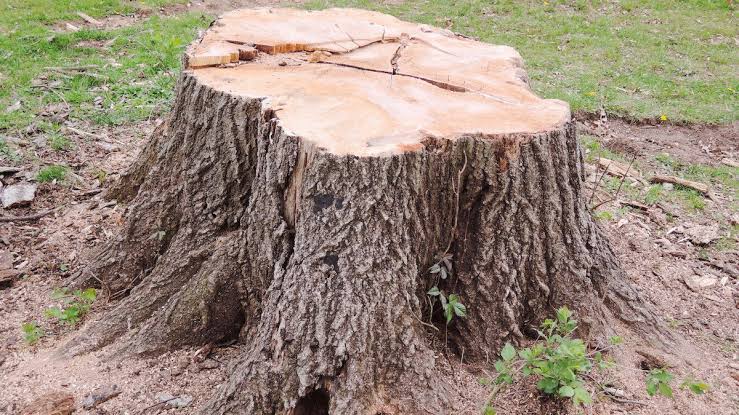
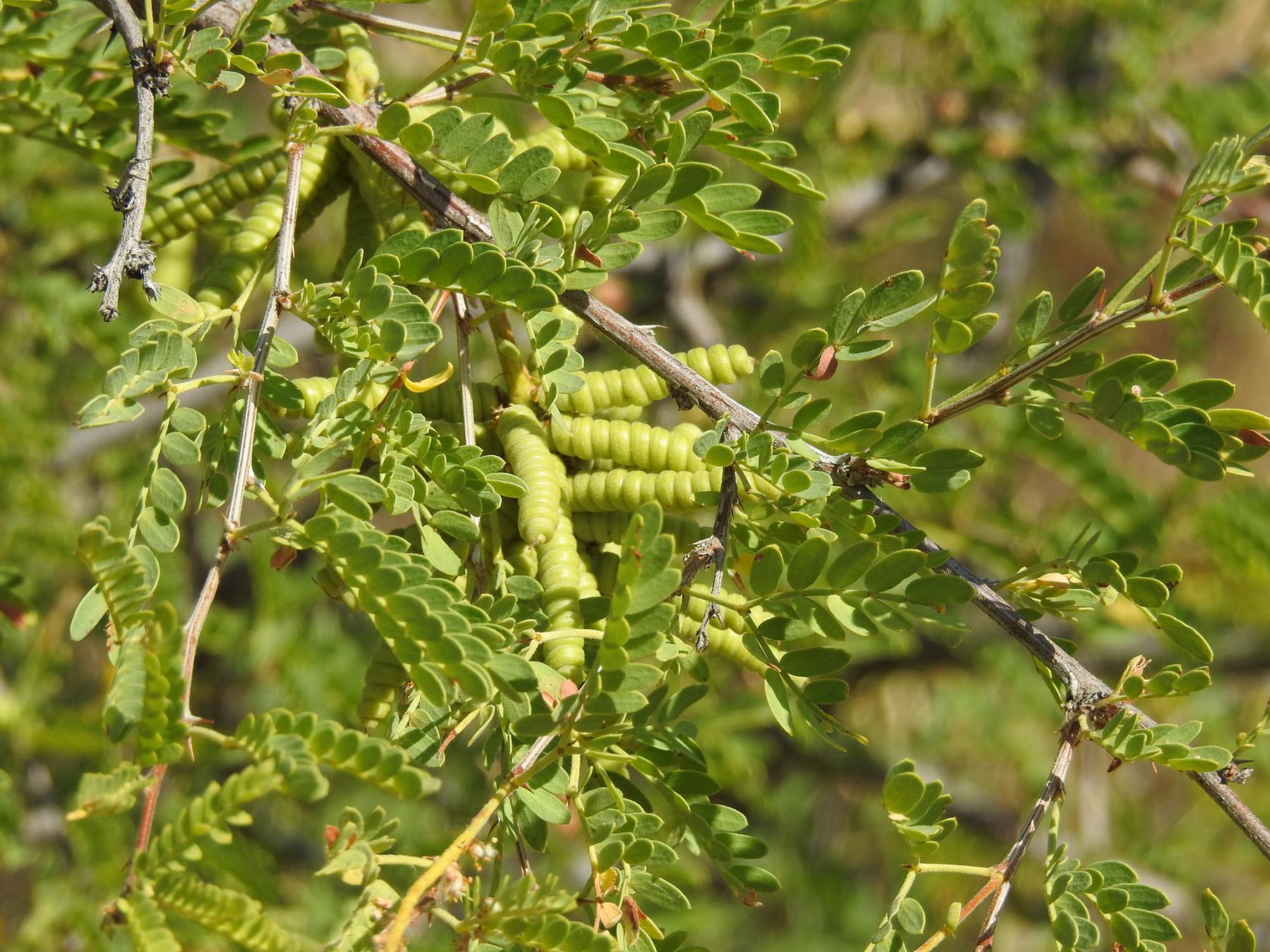
Cut a mesquite off at the dirt and it comes back thicker than before. That one fact shapes how to clear mesquite and brush out here. The part of the plant that matters sits under your boots. A few inches down is a bud zone, a knot of sleeping buds waiting for the top to disappear. Take the top and you trade one trunk for eight skinny ones. Rick has seen the same Callahan County pasture fought three times in five years that way. The job isn’t complicated. You just have to get below that bud zone the first time you go in.
Why Mesquite Comes Back
Mesquite comes back because the living heart of the plant sits below the soil line, safe from any blade. That bud zone is built for fire, drought, and hungry animals. Ranchland out here has burned and been browsed for a long time, and mesquite learned to hide its regrowth where nothing could reach it. Chop the trunk and the roots read it as damage. Then they push up a dozen new stems at once. What was one tree with a little shade under it turns into a low thicket you can’t ride a horse through.
Seed is the other half of the story. Cattle and horses eat the beans, walk off, and drop them somewhere else on the place. Check the ground around your troughs and your gates. That’s usually where the next crop shows up first, thick as a lawn some springs.
Age matters more than most folks think. A seedling under two or three years old hasn’t buried its bud zone yet, so it dies easy. Give that same plant a few more seasons and it’s a different animal. Walking your pastures once a year and pulling the little ones saves you a lot of work later.
Grubbing vs Mulching
Grubbing takes the plant out below the bud zone for good, while mulching grinds the top into chips and leaves the base alive. Both have a place. The right pick depends on what you want that ground to do.
Grubbing means putting steel under the plant and popping it out, root ball and all. Once the bud zone is out of the dirt, that mesquite is done. No resprout, no thicket, no coming back in three years. The trade is holes. You’ll have torn ground where each plant sat, and it needs smoothing before you run equipment over it or turn stock out. On heavy mesquite that can be a fair amount of dirt work. It’s still the only method that ends the argument.
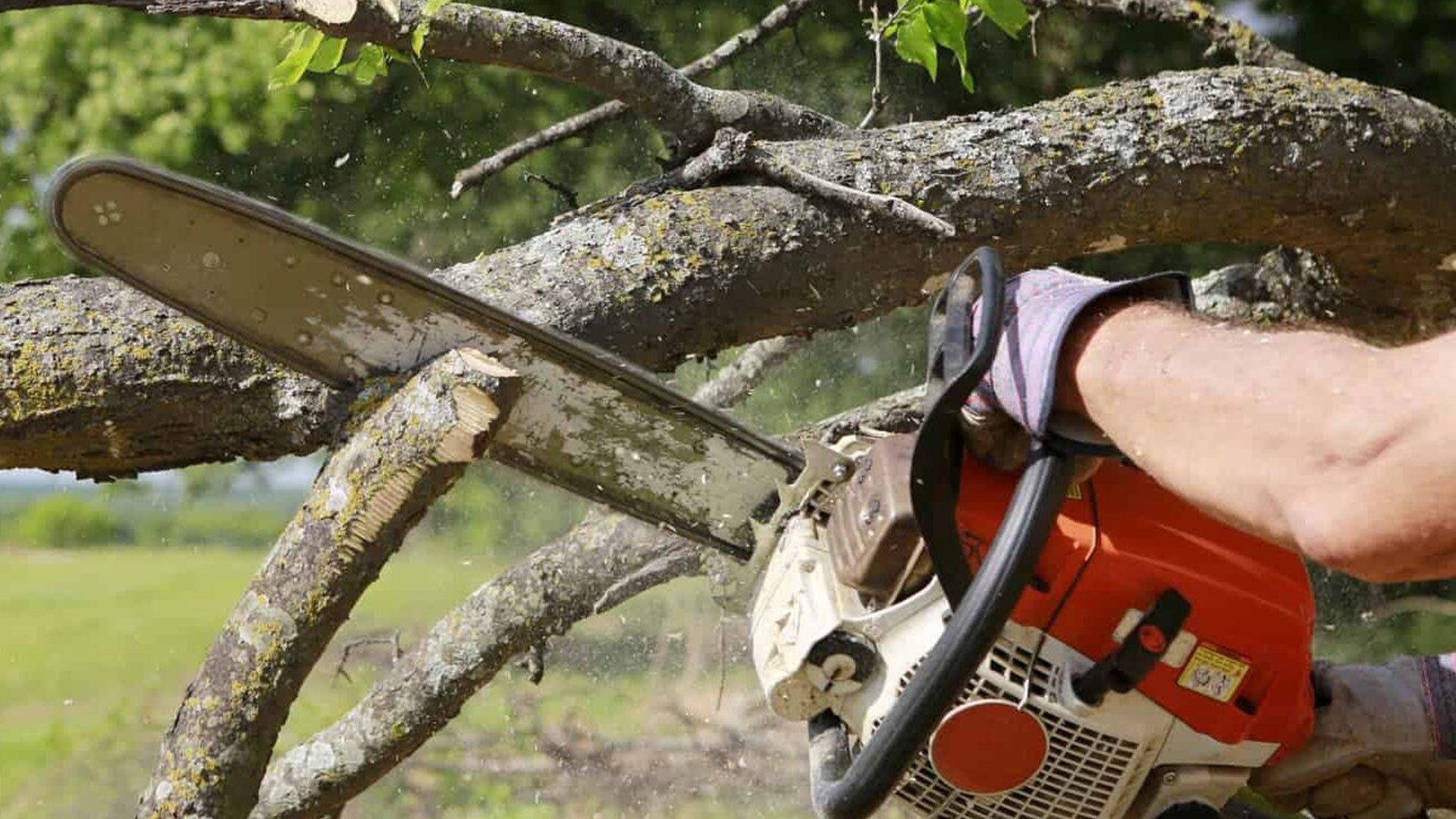
Forestry mulching is the fast one. A machine grinds standing brush into chips and lays them right back down. No burn piles smoking for a week, no stacking, no hauling off. Those chips hold soil moisture through a dry summer and slow down erosion on a slope. What mulching doesn’t do is reach under the soil. It cuts at ground level, so mesquite regrows from the bud zone the way it always has.
Cedar is the one exception you should know about. Ashe juniper, what everybody around here calls cedar, doesn’t resprout when it’s cut low. Mulch a cedar brake and it’s gone. Mulch a mesquite flat and you’ve bought a clean look for a couple of years.
That’s why a lot of owners around Clyde do both. Mulch the thick stuff first so you can see your land again, then come back and grub the mesquite that sits where you truly need it gone. Some people spray to stop regrowth, but that takes a Texas state license and we don’t offer chemical spraying.
Price tracks three things. Acres, how thick the brush is, and what happens to the debris. Rick will walk the place with you and tell you straight which method fits and which parts can wait another year.
Fence Lines and Pasture
Fence lines and pasture are where clearing pays you back the fastest. A clean fence line lets you drive it and see your wire, your posts, and your stays without fighting limbs the whole way. Mesquite growing through a fence lifts the wire and stretches it until a calf finds the gap. Cleared lines also cut wildfire fuel, and in a dry summer on this rangeland that matters more than looking tidy.
Pasture work is about grass. Every mesquite pulling water out of dry ground is water your grass didn’t get. Thin the brush and the grass thickens, and thick grass carries livestock through a bad year. Open pasture is easier to check, too, when you’re counting head from the county road on a hot afternoon.
Shade is worth keeping, though. Don’t clear a good live oak or a big pecan just because a machine happens to be sitting there. Those trees earn their keep for your stock, and they hold up better with the right pruning in the right season. Our piece on the best time to trim trees in Texas covers when to cut and when to leave them be.
Keeping It Clear
Keeping it clear comes down to catching seedlings while they’re young and growing grass thick enough to crowd them out. Cleared ground doesn’t stay cleared on its own. Seed is already in the soil, and your livestock keep bringing more.
Ride your place once a year and look low. Late winter or early spring works well, before the grass gets tall enough to hide anything. A mesquite two feet tall pulls out with a good grip and a little patience. Pay extra mind around troughs, gates, and the shade where cattle bunch up.
Grass does the rest if you let it. Don’t graze a freshly cleared pasture down to bare dirt, because bare dirt is exactly what a mesquite seedling wants. Give the grass a season to fill in and it will shade out most of what tries to start. You’ll find more on rangeland trees and seasonal work in our tree care articles.
If you’re looking at a pasture that’s turned into a thicket, we can help you get it back. Clyde Tree Service is insured and owner run with a local crew. Rick has twenty years in this work and three of them right here in Clyde, and we take on rural acreage other outfits skip. Estimates are free and same day, and somebody answers the phone at any hour. Everything we do comes with our satisfaction guarantee. Have a look at our land clearing page to see how we handle brush by the acre. Call or text Rick at 325-225-2680.