
FM 603 Acreage Clearing
Mesquite and Brush Clearing on Acreage Along FM 603
Phone Number
325-225-2680
Address
6760 FM 603, Clyde, TX 79510
Follow Social Media
We’ll clear the mesquite off your acreage in Clyde, TX
Drive FM 603 in either direction from our yard and you’ll see the same thing on both sides of the road. Mesquite creeping out of the fence line into what used to be open pasture. Cedar filling in the draws. Grass thinning out a little more every year because the brush is drinking first. Nobody wakes up to a brush problem. It builds over a decade of wet springs and dry summers, one seedling at a time, until a place that carried cattle fine ten years ago won’t carry half as many now.
Ask us what we do most on this stretch of road and the answer comes quick: Mesquite and Brush Clearing on Acreage Along FM 603. We’re not driving in from town to look at your property. Our yard sits at 6760 FM 603, so this corridor is the ground our tree service crew knows best, right down to which gates a machine will fit through and which two-tracks turn to soup after a rain.
There’s no mystery to the work, only a right way and a wrong way to go at it. Cut brush off at the ground and you’ve bought yourself a thicker stand in three seasons. We take brush out at the root instead, so what comes off the place stays off.
“Cutting brush is the easy part. You don’t get your pasture back for good until the stump and the bud collar go with it.”
Ranchland Brush Problems Along FM 603
The acreage along this stretch is classic Callahan County ranchland. Thin topsoil over heavy clay, long dry spells, and a seed bank that’s been building for decades. Mesquite beans travel in livestock, so any pasture that has ever run cattle has thousands of them sitting in the dirt waiting on one wet spring. That’s why a place can look clean for years and then come up in seedlings all at once after a good March. Ashe juniper, what everybody here calls cedar, works differently. It seeds heavy and takes hold in the draws and along the fence lines where nothing ever gets mowed. Once a cedar closes its canopy the ground under it goes bare, and it stays bare.
The cost of all that shows up in ways that are easy to miss. Brush drinks the water your grass needed during a dry year, and around here most years are dry ones. A fence line you can’t walk is a break you don’t find until a calf is on the road. Pasture you can’t drive is pasture you can’t cut hay off, check a tank on, or set a feeder in. Heavy mesquite hides what’s under it too, so plenty of landowners find an old roll of wire or a washed-out crossing once we clear. Grown-up acreage is worth less the day you sell it than the same ground cleared.
Ready To Take Your Acreage Back? Let’s Talk
Fence Lines, Pasture, and Grazing Ground
Most clearing jobs out here start at the fence and work inward. A fence line you can drive lets you fix wire before a calf finds the gap, and it kills the shaded strip where cedar seeds itself first. From there we open pasture in the order that gets you grazing soonest, which usually means taking the best ground first instead of the worst. Clearing the thickest corner feels good, but it’s rarely the acre that puts cattle back to work.
Rick walks the place with you before anything starts and marks what stays. A big live oak, a shade mott the cattle stand under in July, a wind break along the north fence, none of that has to come out just because the machine is already running. We’d rather leave a tree you wanted than take one you didn’t.
What we take off a typical place along this corridor:
We don’t clear a place blind. Before a machine ever runs, we walk it, mark the keepers, and settle where the brush ends up. Then you get a straight price for that plan instead of a guess, and the heavy land clearing gear only rolls off the trailer once you’ve said go.
Mesquite, Cedar, and Our Short Drive Out
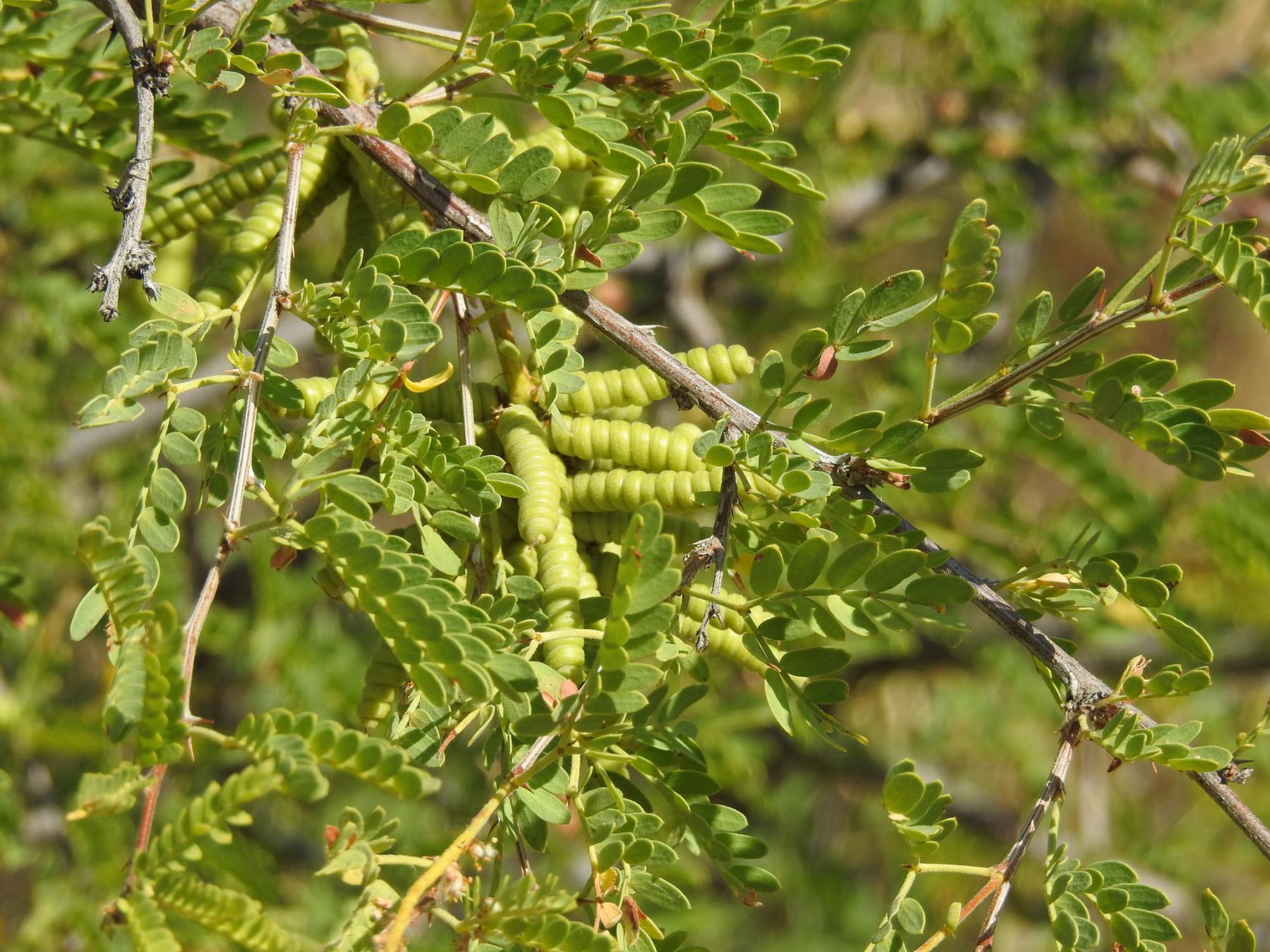
Mesquite is the reason folks call us back, and it’s the reason we grub instead of mow. A mesquite keeps its regrowth buds in a collar right at the soil line, below where any blade rides. Cut the trunk off at the ground and you haven’t touched that collar. Come spring you get six or eight sprouts where one tree stood, each one racing the others for light, and now you’ve got a thicket instead of a tree. Pull the collar and the taproot out with it and that tree is finished for good.
Cedar plays fairer. Ashe juniper won’t sprout back from a stump, so a clean low cut kills it outright. That’s why a forestry mulcher earns its keep on a cedar draw, chewing standing brush into chips that stay put as ground cover, while a mesquite flat usually needs a grubbing attachment that gets under the dirt. Same forty acres, two different machines, and knowing which one to haul out is half the job.
Getting there is the simple part. With our yard on FM 603, most places on this corridor are a few minutes up or down the same road we’re already on, gooseneck and all. That’s why we can look at a property the same day you call instead of putting you on a list for next week. Call 325-225-2680 and we’ll come walk it with you.
Mesquite and Brush Clearing Questions
Answers For Landowners
Questions we get from landowners along this corridor. Nearly all of them come back to one thing: what it actually takes to clear mesquite once and not fight the same brush again.
Why does mesquite grow back after it’s been cut down?
Because the part that regrows sits below the ground. A mesquite keeps its regrowth buds in a collar right at or just under the soil line, so cutting the trunk off at ground level leaves that collar alive. The next wet spring it pushes up several sprouts instead of one trunk, and you end up with a thicket. Taking the collar and taproot out with the tree is what stops it.
Is grubbing or forestry mulching better on FM 603 acreage?
It depends on what’s growing. Grubbing pulls the root and bud collar out of the ground, which is what mesquite needs if you want it gone. Forestry mulching grinds standing brush into chips that stay on the ground as cover, and it’s faster and cleaner on cedar, since cedar won’t resprout from a low cut. Most places along this corridor have both, so we look at the mix first.
Will clearing cedar bring my pasture grass back?
Usually, and quicker than folks expect. Ashe juniper shades the ground and takes water native grass needs, so once it’s off, the seed already in your soil gets a chance at the next decent rain. How fast depends on how long the ground sat shaded, how much bare dirt is left, and whether you rest the pasture before grazing it again. Badly shaded ground sometimes needs seeding to catch up.
Can you clear a fence line without damaging the fence?
Yes, and fence lines are one of the jobs we take on most. We clear the strip working in from the wire with the machine, then finish the last few feet by hand wherever roots or limbs are tight against a post. If a stretch of fence is already pulled down under the brush, we’ll show you before we start so there’s no surprise about what you’re getting back.
What drives the cost of clearing acreage near Clyde?
Acreage, brush density, and species drive it more than anything else. A few open acres with scattered mesquite is a different job than a solid cedar draw. Terrain matters too, since rocky or broken ground slows a machine down. So does what happens to the material, whether we mulch it in place, pile it, or haul it off. Our estimates are free and same-day, so you get a firm number after we walk it.
Will your equipment fit through my gate off FM 603?
Most of the time yes, and if it won’t we’ll tell you before we haul anything out. A standard ranch gate is usually wide enough for our machines, but old pipe gates, tight cattle guards, and low limbs over a two-track can stop a trailer. We check access during the estimate and plan the route in. Being based on FM 603 ourselves, we know how these places are laid out.
How do you handle the brush piles after clearing?
That’s your call, and we set it during the estimate. Mulching leaves the material chipped and spread across the ground, where it holds moisture and breaks down. Piling stacks it where you want it, which some landowners prefer for a burn when county conditions and rules allow. Hauling it off costs more but leaves the place clean. We’ll lay out what makes sense for your ground.
How long does it take to clear a few acres in Clyde?
Light brush on open ground can move several acres in a day, while a thick mesquite flat that needs grubbing takes a good deal longer per acre. Access, terrain, and whether you want the material mulched or piled all change the pace. We’d rather give you a real timeline after walking the property than a guess over the phone. Jobs this size usually get scheduled within a few days.
Did you know?
An oak log looks manageable until you try to lift it. Fresh-cut green wood can be nearly half water by weight, so one big limb can top 800 pounds. That’s why lowering a heavy branch near a house is a job for rope, not guesswork.
What Else We Handle
Explore More Services
Clearing is rarely the only thing an acreage needs. Here’s the rest of what our Clyde crew handles on rural property.
Quick Links
Services

Contact Info
Please Review Us
We sure could use your help letting Clyde know how good we are.

Copyright © 2026. All rights reserved.