
Lake Clyde Storm Trees
Storm-Exposed Trees Around Lake Clyde
Rick and his crew know their stuff. They arrived on time and cleaned up so well you would never know they were here. Would recommend.

Clyde
We called 3 different companies and Rick’s quote wasn’t the cheapest, but we made the right choice. Great work, very easy to deal with.
Eula
The orangutan doesn’t drive the truck if anyone’s wondering. Great service, did exactly what they promised for the price we agreed to.
Baird
We’ll keep your lake trees standing in Clyde, TX
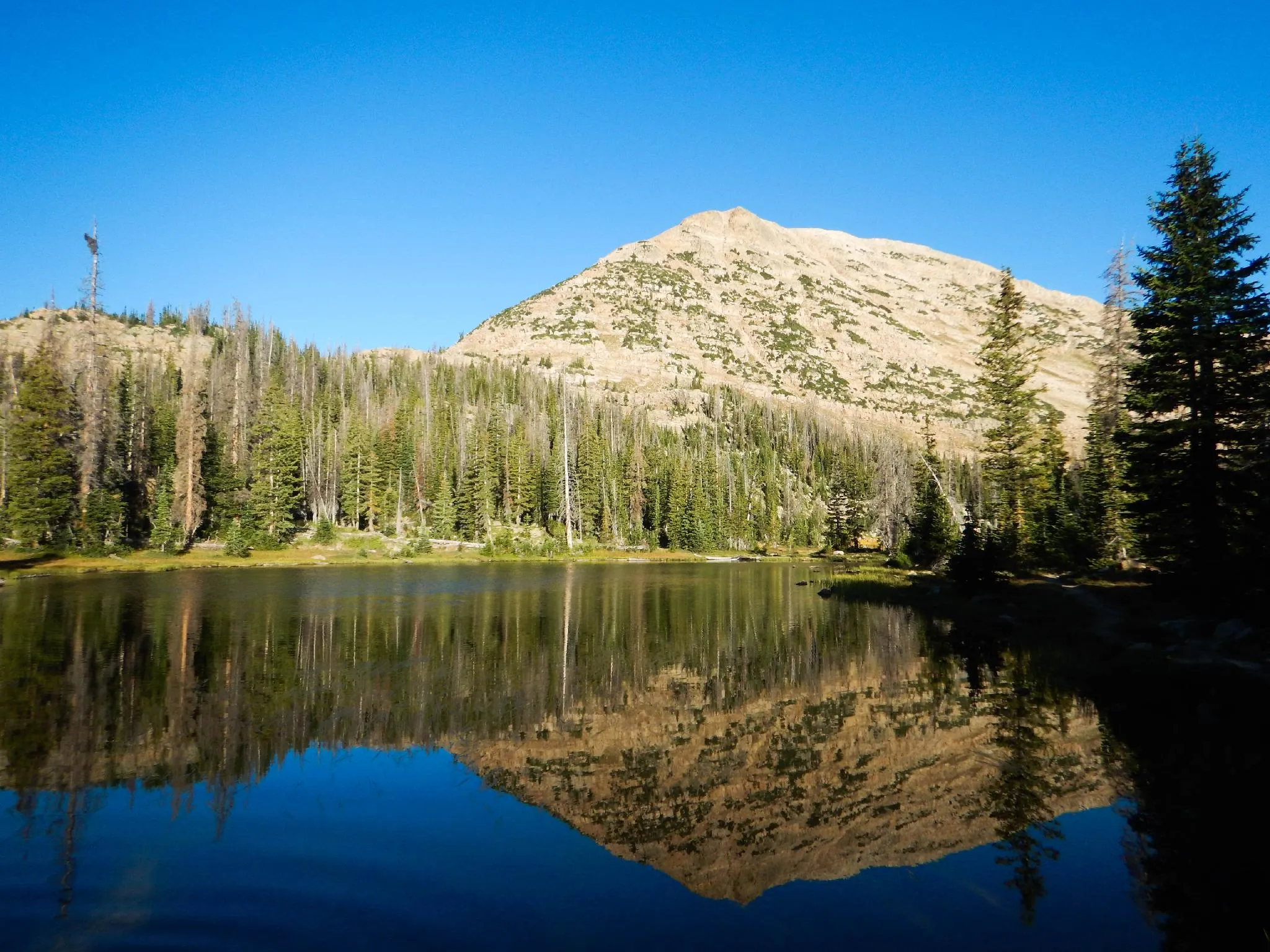
Trees on an open shoreline take a different wind than trees in a yard, and it shows up in the way they break. Around Lake Clyde there’s nothing standing between the water and the bank. No houses, no fence rows, no hills to trip a gust and break it up. By the time a front reaches the first row of trees, it hasn’t given up a thing.
Storm-Exposed Trees Around Lake Clyde is a real category of work, not a phrase we made up for a website. The same live oak that would coast through a windy spring behind a house in town spends its whole life leaning into that wind out here, and it pays for it in cracked forks and torn limbs.
We’re a local tree service crew, and our yard sits a short run north of the water. We work lake places the way the wind demands: an honest look at what’s there, quick help when a limb lets go, and a plan you can act on before the next front rolls in. We’re ready for tree removal no matter the hour.
“The wind off that lake never quits. These trees have been fighting it their whole lives, and there isn’t a limb out there that doesn’t show it.”
Wind Exposure Along the Shoreline
Open water changes how wind behaves. Coming across a pasture, wind drags on grass, brush, and fence rows, and it gives up some of its punch on the way. Coming across a reservoir, there’s almost nothing to pull against, so it reaches the far bank faster and steadier. Lake Clyde sits south of town on the North Prong of Pecan Bayou, which puts the trees ringing it in the front row of whatever blows across. A tree in a Clyde yard gets hit in bursts, softened by everything upwind of it. A tree on that bank gets the raw thing.
You can read that exposure in the trees themselves before you ever put a hand on one. Canopies grow heavier on the sheltered side and stay thin on the side facing the water. Trunks lean away from the lake. Limbs on the windward side snap more often, because they’ve been loaded and let go thousands of times, and wood remembers every one of those cycles. Soil matters too. Damp bank ground holds roots loosely, so a big tree near the waterline can tip in a blow that a same-sized tree up on packed clay rides out. Two trees the same age, a couple hundred yards apart, and only one of them ends up on the ground.
What Storm Damage Looks Like Here
Damage out here sorts itself into two patterns, and both start with the same thing: nothing slows the wind down before it arrives. The first pattern is the clean break. Cottonwoods and hackberries grow fast, carry a lot of weight up high, and their wood gives out all at once, so you lose a whole top instead of a branch. Live oaks and post oaks hold together better, but they throw long lower limbs out over a drive or a fence line, and those are the ones that come down.
The second pattern takes the whole tree. A heavy rain soaks the bank, a hard front comes through a day later, and something that looked fine on Friday is flat on Saturday. Wet ground plus a full canopy acting like a sail is a bad combination. It’s why an uprooted tree at the lake so often turns out to be sound wood on a root plate that simply let go. That second one costs more to fix, because a tree that comes out of the ground takes fence, water line, or whatever else was sitting under it.
How We Work a Lake Property
A visit to a lake place is different from a yard call in town, because we’re looking at wind loading before anything else. In a yard, we’re mostly asking what’s dead and what hangs over the roof. Out here we’re asking which side of the tree has been taking the beating for the last twenty years, and whether the ground still has a good hold on it.
Here’s what we usually cover on the walk-through:
If a storm has already come through, that walk turns into storm damage cleanup instead, and we start with whatever is hanging over people, vehicles, or a roof. Either way the estimate is free and same day, and you’ll get a straight answer about what can wait.
Directions From Our FM 603 Yard
Our yard is at 6760 FM 603 in Clyde, which puts us on the north side of Interstate 20. The lake is south of town, on the far side of the highway from us. That’s the whole trip, and it’s a short one.
That short run matters more than it sounds like it should. We can come look at a leaning tree the same day you call, and we aren’t burning daylight getting to you before the work starts. It also means we bring the right gear the first time out. Lake lots have their own problems: soft ground a loaded truck sinks into, narrow drives, and trees hemmed in between a house and the bank with nowhere to drop anything. Knowing that before we hook up the trailer is the difference between one trip and three.
Share
Did you know?
Some of the shade trees around Clyde are older than the Bulldogs, the schools, and most of Main Street. A mature pecan out front can be pushing a hundred years, so we’d rather save one than take it down when there’s a choice.
Clyde Tree Service on Lake Clyde Storm Trees
Questions We Hear at the Lake
Lake property owners ask us a lot of the same things about wind, species, and what to do before storm season. Here are the answers we give most often.
Why do trees around Lake Clyde take worse wind damage than trees in town?
Because there’s nothing standing between them and the wind. In town, houses, fences, and other trees break a gust up before it gets to your yard. Across open water there’s nothing to slow it down, so a shoreline tree meets the full force of it, over and over. Add damp bank soil under the roots and you get the failures we see out there after a hard front.
Which trees fail first on an exposed lakefront lot?
Soft-wooded trees go first. Cottonwoods and hackberries grow fast, put on a lot of weight up high, and their limbs break clean in a strong gust. Live oaks and post oaks are tougher, but they drop long horizontal limbs that reach out over a drive or a walkway. Anything with a tight V-shaped fork is worth a close look too, since that’s where a trunk splits.
Does thinning a canopy really help a tree stand up to wind?
Yes, when it’s done right. A dense canopy acts like a sail and catches the whole gust. Thinning opens gaps so air moves through the crown instead of pushing the whole tree over. The key is taking a little from throughout the canopy, not stripping the inside and leaving a tuft at the end of each limb. Topping does the opposite and leaves weak regrowth.
Should I plant a windbreak on my acreage near Lake Clyde?
A shelterbelt is a good idea on open acreage here, and it pays off for decades. A staggered double row on the side the wind comes from will knock the speed down across the ground behind it, which protects the house, the barn, and whatever you’re grazing. Give it room away from drives and septic. We can clear the line and tell you honestly what will actually live in this soil.
Are shoreline cottonwoods worth keeping or should they come out?
It depends on what’s underneath them. A cottonwood out on open bank with nothing to hit is worth keeping for the shade, with deadwood pulled out every few years. The same tree leaning over a roof, a camper, or where people park is a different conversation. We’ll call it either way, and we’d rather leave a good cottonwood standing than write a bigger ticket.
How do I get the trees at my lake property ready before storm season?
Do the easy work early. Get deadwood and hanging limbs out while the weather is calm, clear anything resting on the roof or the power drop, and thin canopies that have gotten heavy. Look at the ground around the base of big trees for cracked or lifted soil. Winter is the right window for oaks, since fresh cuts from February through June invite oak wilt.
Is it safe to leave a big shade tree right at the water’s edge?
Often yes, but it deserves a closer look than the same tree would get in a yard. Ground near the water stays wetter, which softens the hold the roots have, and the tree is taking full wind at the same time. We check the root flare, the lean, and whether the soil on the upwind side has started to lift. Those three tell us most of what we need.
Do you work on trees at Lake Clyde and on the acreage south of Clyde?
Yes, and it’s a short trip for us. Our yard is on FM 603 in Clyde, so the lake and the property south of town are close to home. We handle lake lots, rural acreage, and the awkward jobs between a house and a bank that need rigging rather than a straight drop. Call or text Rick at 325-225-2680 for a free same-day estimate.
Quick Links
Services
Contact Info
Please Review Us
We sure could use your help letting Clyde know how good we are.

Copyright © 2026. All rights reserved.